
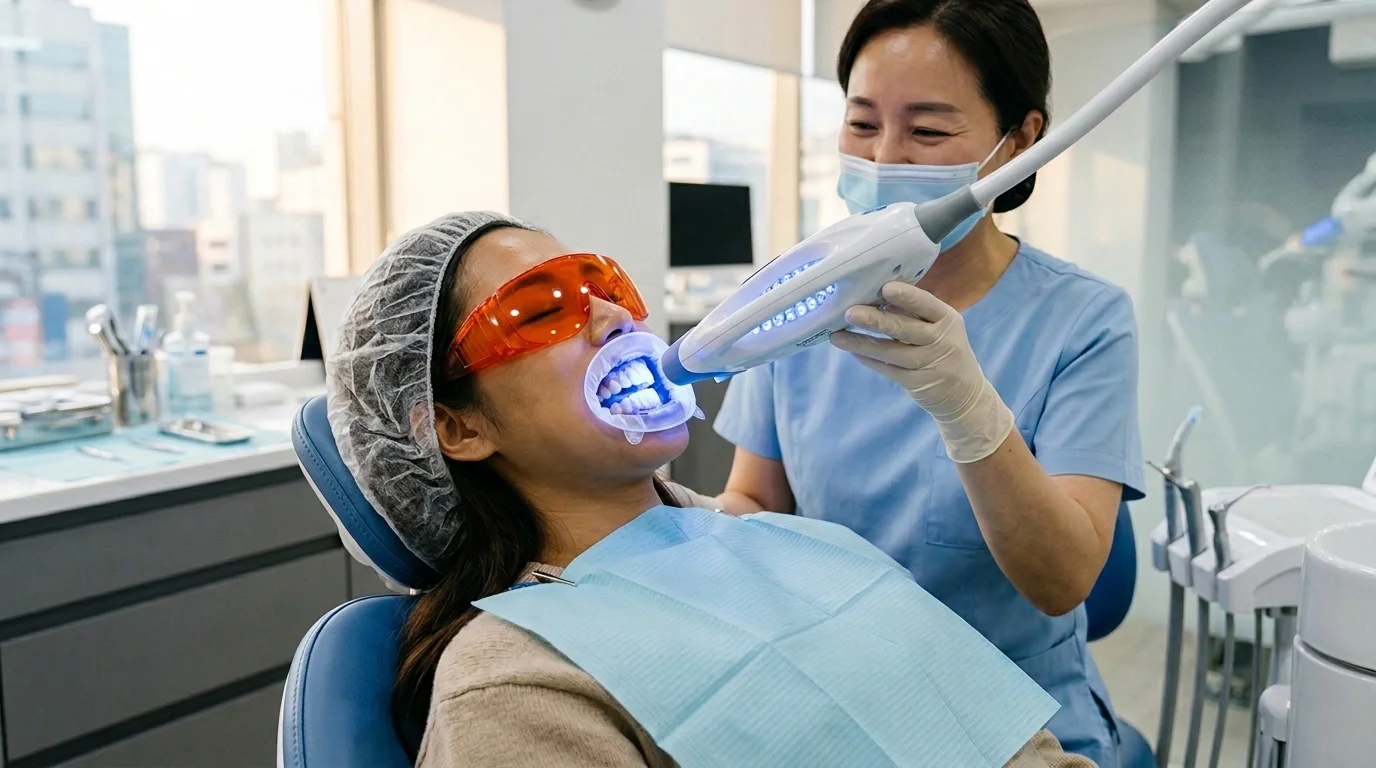
Teeth whitening is a popular cosmetic dental treatment for achieving a brighter smile. However, like other dental procedures, it may cause temporary side effects, particularly tooth sensitivity and gum irritation.
Understanding the possible teeth whitening side effects can help you prepare for treatment, recognize symptoms that need attention, and make a more informed decision about whitening your teeth.
What Are the Side Effects of Teeth Whitening?
The most common side effects of teeth whitening are temporary tooth sensitivity and irritation of the gums or other soft tissues in the mouth. These reactions may depend on the whitening agent, its concentration, how long it is used, and the condition of your teeth and gums before treatment.
1. Tooth Sensitivity After Whitening
Tooth sensitivity after whitening is one of the most common side effects. You may experience a brief, sharp sensation when consuming cold or hot foods and drinks, or even when breathing in cold air.
This sensitivity is usually temporary and may improve after the whitening treatment is stopped or completed. However, severe, persistent, or worsening pain should not be ignored, as it may indicate an underlying dental problem that needs assessment.
2. Gum Irritation After Whitening
Gum irritation after whitening may occur when the whitening agent comes into contact with the gums or other soft tissues. Symptoms can include redness, a burning sensation, soreness, or temporary white patches on the gums.
The irritation may improve once exposure to the whitening product stops. If the symptoms are severe, persistent, or accompanied by sores, consult a dentist.
Is Teeth Whitening Safe?
So, is teeth whitening safe? Teeth whitening can be performed safely when the treatment is appropriate for your oral health and the product is used according to professional guidance.
However, whitening may not be suitable for everyone. Existing dental problems can increase discomfort or affect the treatment outcome.
Before whitening, a dentist should assess whether you have:
Sensitive teeth: Existing sensitivity may become more noticeable during or after whitening.
Cavities or damaged teeth: Tooth decay and cracks may need to be treated first.
Leaking or damaged restorations: Problems with existing fillings or other restorations may require attention.
Gum inflammation: Inflamed gums may be more vulnerable to irritation.
Existing dental restorations: Fillings, crowns, and veneers do not respond to whitening agents in the same way as natural teeth.
The whitening method, product concentration, and duration of exposure can also influence the likelihood of side effects.
This is why a dental assessment is important before starting treatment, rather than choosing a whitening product based on its advertised results alone.
What Should You Do If You Experience Teeth Whitening Side Effects?
The appropriate response depends on the symptoms and their severity.
Symptom | What to do |
Mild tooth sensitivity | Follow the product instructions and allow time for the sensitivity to settle. |
Severe, persistent, or worsening tooth pain | Stop using the whitening product and consult a dentist. |
Gum redness, soreness, or burning | Stop exposure to the whitening agent and seek dental advice if symptoms persist or are severe. |
White patches, sores, or significant irritation | Stop using the product and have the affected area assessed by a dentist. |
Severe swelling or difficulty breathing or swallowing | Seek emergency medical care immediately. |
For at-home whitening, discontinue the product if you experience significant pain or irritation. If you are undergoing in-office whitening, tell your dentist immediately if you experience severe discomfort during the procedure.
Do not continue whitening simply to achieve a faster result, especially when symptoms are getting worse.
How to Reduce the Risks Before Teeth Whitening
Taking the right steps before treatment can help reduce avoidable discomfort and improve the chances of a suitable outcome.
1. Schedule a Dental Check Before Whitening
A dental check before whitening allows your dentist to assess the condition of your teeth and gums, identify problems that may need treatment first, and determine whether whitening is appropriate for you.
During the consultation, your dentist can also explain the expected results, possible side effects, and the whitening method that best suits your needs.
2. Share Your Dental and Medical History
Tell your dentist if you have sensitive teeth, previous reactions to whitening products, existing dental restorations, or any ongoing oral health concerns.
If you are pregnant or breastfeeding, discuss the timing of whitening with your dentist before proceeding. The suitability of treatment should be assessed individually, and postponing elective whitening may be recommended.
3. Understand What Whitening Can and Cannot Do
Teeth whitening works by lightening the colour of natural teeth, but it does not change the colour of fillings, crowns, or veneers. The final result also depends on the cause and type of tooth discolouration.
If your concern is not suitable for whitening, your dentist may discuss other options based on your dental condition and aesthetic goals.
The aim is not simply to achieve a brighter smile, but to choose an approach that is appropriate for your oral health.
Questions to Ask During a Teeth Whitening Consultation at Onyx Dental Center
Before deciding on treatment, consider asking your dentist:
Am I a suitable candidate for teeth whitening?
Could my current tooth sensitivity or dental condition increase the risk of side effects?
Which whitening method would be most appropriate for me?
What results can I realistically expect?
How can I manage sensitivity or gum irritation if they occur?
Are there any dental problems that should be treated before whitening?
A consultation helps you understand the available options and make a decision based on your dental needs, rather than appearance alone.
If you are considering teeth whitening in Karawaci, Tangerang, or the wider Jabodetabek area, Onyx Dental Center can help assess your oral health and discuss suitable treatment options.
A Brighter Smile Starts with the Right Care
Teeth whitening can help improve the appearance of your smile, but the right approach begins with understanding your dental condition and the potential risks.
If you are considering whitening, arrange a dental consultation before starting treatment. A professional assessment can help you make an informed decision and work toward a brighter smile while prioritizing your oral health.
Read More
Efek Samping Bleaching Gigi: Ngilu, Iritasi Gusi, dan Kapan Harus Kontrol
Veneers vs Teeth Whitening: Choosing for Your Dental Condition and Smile Goals
References
AlOtaibi, F. (2019). Adverse Effects of Tooth Bleaching: A Review. International Journal of Oral Care and Research, 7(2), 53–55. https://doi.org/10.4103/INJO.INJO_22_19
Elnawawy, M. S. A., Gharote, H., Pullishery, F., Al Wakeb, R., & Abuzenada, B. (2024). Effect of Various Vital Bleaching Systems on Clinical Outcomes and Patient Satisfaction. Cureus, 16(7), e65648. https://doi.org/10.7759/cureus.65648
Patil, G., Reche, A., & Paul, P. (2022). Tooth Bleaching and Its Adverse Effects: A Review. Journal of Pharmaceutical Research International, 34(57), 35–44. https://doi.org/10.9734/jpri/2022/v34i577257